How to Upgrade Your Locks After Moving Into a New Home
Assess the existing hardware before changing anything
When you move into a property, the locks on the doors are almost certainly not unique to you. Previous owners, tenants, contractors, and even service workers may have keys that still work. That alone is reason enough to plan a lock upgrade early in the moving process. But before you buy anything, take a careful look at what is already installed. Check each exterior door and note the type of lock it uses. Is it a standard knob lock, a single-cylinder deadbolt, or a double-cylinder deadbolt? Does the lock show a brand name or a security grade stamp on the face or the edge of the door? Grade 1 or Grade 2 markings indicate better durability and resistance to forced entry. Grade 3 locks are common in older homes and offer the least protection. Knowing what you have helps you decide whether a full replacement is necessary or if a simple rekey will do the job. Rekeying changes the lock cylinder so that existing keys no longer work, but the hardware stays in place. That is a fast and affordable option if the locks are still in good condition. If the hardware is worn, rusted, or a low security grade, replacement is the smarter route. Do not assume all locks on the property are the same. Check every door, including basement entries, side doors, and garage service doors. A single overlooked lock can defeat the purpose of upgrading the others.
Decide between rekeying and replacing
Rekeying is a straightforward process. A locksmith removes the lock cylinder, replaces the key pins to match a new key, and reassembles it. The result is that old keys no longer work and you have a single key that operates all matching locks. This works well when the existing hardware is still solid and the lock type is common. Replacement becomes necessary when the lock is damaged, the cylinder is worn, or you want to move to a higher security standard. Many newer homes come with basic builder-grade locks that offer minimal resistance to bumping, picking, or physical force. Upgrading to a deadbolt with a hardened steel bolt and a pick-resistant cylinder adds real protection. If you want the convenience of keyless entry, a smart lock can replace a traditional deadbolt. Smart locks allow you to use codes, biometrics, or your phone instead of a physical key. They also let you issue temporary codes for guests or service workers, and you can revoke those codes remotely. That eliminates the worry about copied keys. Keep in mind that smart locks still need a mechanical backup for when the battery dies. Many models include a traditional key override. When you choose a smart lock, check that the mechanical cylinder is also of good quality. Otherwise, someone could bypass the electronics by picking the key override. The decision between rekeying and replacing comes down to the condition of the current hardware and the level of security you want. If you are unsure, a locksmith can inspect the locks and give you a clear recommendation.
Choose the right type of deadbolt for each door
Deadbolts are the most common upgrade after moving in. They come in three main varieties: single-cylinder, double-cylinder, and keyless. A single-cylinder deadbolt has a keyhole on the outside and a thumb turn on the inside. It is easy to use and meets fire safety codes because you can exit quickly without a key. That makes it the standard choice for most entry doors. A double-cylinder deadbolt requires a key on both sides. It is more secure against break-ins where someone reaches through a nearby window to turn the thumb turn. But it also creates a hazard in an emergency. You need a key to get out from the inside. If the key is not nearby or if the lock is unfamiliar to family members, it can trap people in a fire. Many building codes restrict double-cylinder deadbolts on primary exits. If you install one, place a key holder nearby that everyone knows about. Keyless deadbolts use a keypad or a biometric reader. They eliminate the risk of lost keys and make it easy to change codes between tenants or after a move. The trade-off is that they rely on batteries and electronics. Choose a model with a low-battery warning and a mechanical override. Whichever type you pick, look for a deadbolt with a bolt throw of at least one inch and a hardened steel insert to resist sawing. The strike plate should be reinforced with long screws that reach into the door frame, not just the trim. A standard strike plate with short screws can be pried open easily even if the deadbolt itself is strong.
Consider upgrading the lock cylinder and keyway
Not all lock cylinders are equal. Standard cylinders are vulnerable to bumping and picking because of loose tolerances and common keyway shapes. If you are serious about security, look for a cylinder with restricted keyway. Restricted keyway cylinders use a unique keyway profile that is not available to the general public. Only an authorized dealer can cut new keys, and you must provide proof of ownership. That makes it nearly impossible for someone to have a duplicate key made without your knowledge. Another option is a high-security cylinder with additional features such as sidebars, ball bearings, or hardened inserts that resist drilling and pulling. These cylinders are more expensive, but they raise the skill and time required to defeat the lock. Most burglars look for easy targets, and a lock that takes extra effort to bypass is a strong deterrent. If you are installing new locks on multiple doors, consider keying them alike. That means all locks use the same key, so you only need one key for the whole property. This is convenient, but it also means that if someone gets that key, they have access everywhere. A master key system lets you have different keys for different doors while a single master key opens all of them. That is useful if you have tenants or staff and want to limit access to certain areas. Master key systems require careful planning and a qualified locksmith to set up. They also add complexity and cost, so think about whether your situation really needs that level of control.
Plan for on site home security upgrades
Locks are just one part of the picture. While you are planning your lock upgrade, it is a good time to consider other on site home security upgrades that work together with the locks. For example, install a peephole or a video doorbell on the front door so you can see who is there before opening. Check that the door frame is solid. A weak frame can be kicked in even if the lock is strong. If the frame is hollow or the wood is rotted, reinforce it with a door frame reinforcer or a longer strike plate. Also look at the hinges. If the hinge pins are on the outside of the door, they can be removed to take the door off. Replace them with non-removable hinge pins or add a hinge security pin. For sliding doors, install a dowel or a security bar in the track to prevent the door from being lifted off. These simple additions complement the lock upgrade and make the whole entry harder to force. If you are adding smart locks, think about integrating them with other smart home devices. A system that locks the door automatically when you leave, turns on lights, and sends alerts to your phone adds convenience and security. But do not let the technology distract you from the basics. The mechanical strength of the door and frame still matters most.
Work with a professional to avoid mistakes
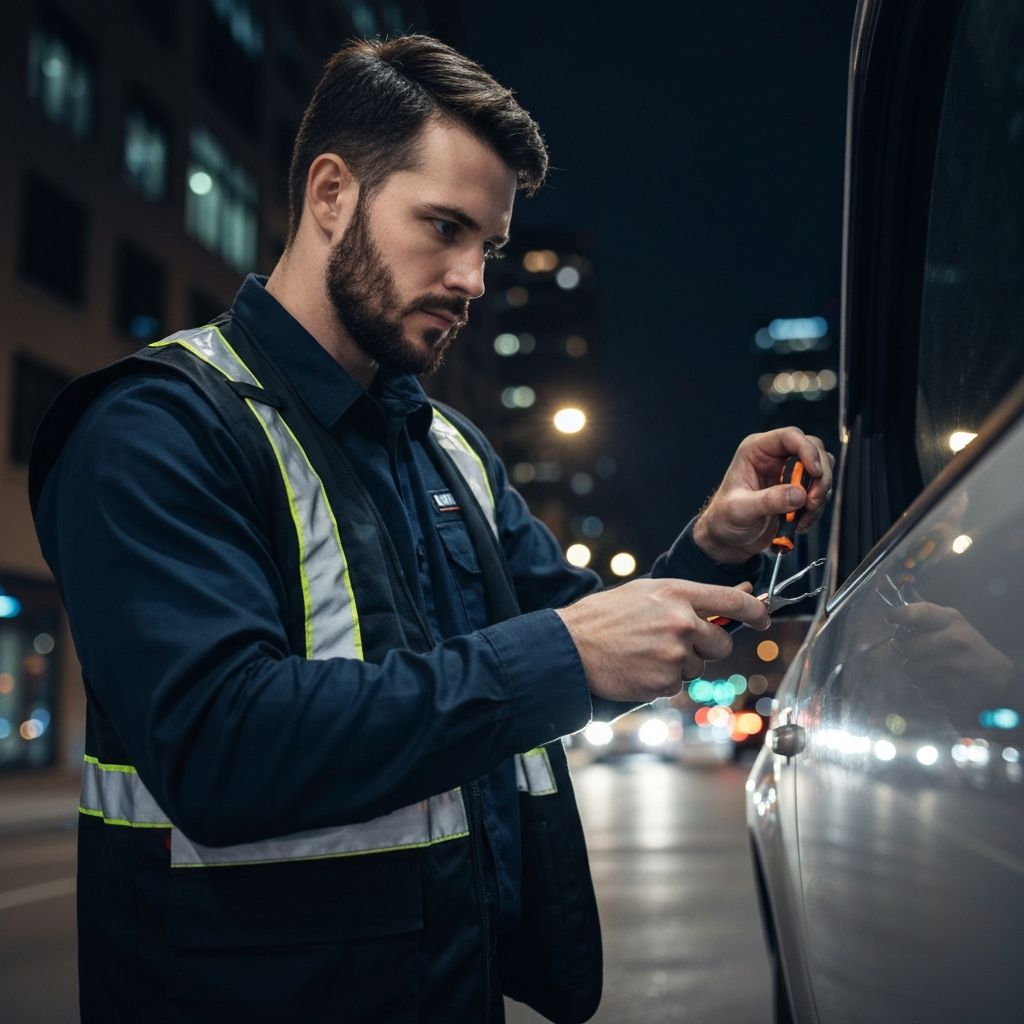
Installing locks seems straightforward, but small errors can leave the lock less effective. Misaligned strike plates, screws that are too short, or cylinders that are not properly secured all create weak points. A professional locksmith has the tools and experience to install locks correctly. They can also advise on the best products for your specific door type and security needs. If you are rekeying, a locksmith can do it quickly and ensure that all cylinders are properly pinned. They can also set up a master key system if you need one. When you hire a locksmith, ask about the security grade of the locks they recommend. A good locksmith will not just sell you the most expensive option. They will explain the trade-offs between cost, convenience, and protection. For example, a high-security deadbolt with a restricted keyway might be overkill for a rental property where you want to rekey between tenants. In that case, a solid Grade 2 deadbolt with a standard cylinder might be the better balance. A locksmith can also check the rest of your doors and windows for vulnerabilities. They might spot a door that has a glass panel close to the lock, which makes it easy to break the glass and reach in. In that situation, they might suggest a double-cylinder deadbolt or a security film for the glass. The key is to get a complete assessment before you buy anything.
Test everything after installation
Once the new locks are in place, test each one thoroughly. Insert the key and turn it smoothly. The bolt should extend and retract fully without sticking. If it feels rough, the strike plate may need adjustment. Check that the bolt goes into the strike plate hole completely and that the door does not rattle when closed. For keypad locks, test the code entry multiple times and check the manual override. Make sure everyone in the household knows how to use the locks, including how to lock and unlock from the inside without a key. If you have children, teach them how to exit quickly in an emergency. For double-cylinder locks, practice using the key from the inside so it becomes a habit. Also test the lock from the outside at night. Good visibility matters when you are unlocking the door in the dark. If the deadbolt is hard to see or turn, consider adding a light or a reflective marker near the keyhole. Finally, keep the warranty and installation documents in a safe place. If something goes wrong later, you will know the model and the installation date. A lock upgrade after moving in is one of those tasks that pays off immediately in peace of mind. Take the time to plan it properly, and you will not have to worry about who still has a key to your home. On site home security upgrades like these are simple, effective, and worth doing before you finish unpacking.